
Brand Character: The Complete Guide (Mission, Steps, and Inspiring Examples)
A brand character is an imaginary figure, animal, personified object, or human with a defined personality. The company creates it to embody its identity, values, and personality to its audience.
This comprehensive guide will give you an insight into what a Brand Character is.
Will guide you through the stages of its creation and inspire you with concrete examples to help you succeed in your branding.
What is a brand character and why is it essential?
Much more than just an illustration, the Brand Character is a powerful strategic lever.
It is at the heart of your communication. To fully understand its impact, it is important to grasp the nuances. As well as the marketing role it plays in storytelling and how its appearance stems from a strategic decision.
The Mission
The mission of the brand character: to meet a need
The natural evolution of a brand creates various needs. The brand character is the perfect tool to meet these challenges. It has the power to transform the company's image and interactions with customers.
The brand ambassador has a variety of responsibilities:
-
Humanizing the brand
It gives an abstract entity a face and personality, thereby creating a strong emotional connection.
-
Stand out from the crowd
In a saturated competitive environment, a unique figure creates an essential visual and narrative break.
-
Be memorable
He assures us that the brand remains the top priority—the famous top of mind.
Adopting a recognizable face significantly improves brand memorization and recognition, transforming the abstract entity into a purchasing reflex at the moment of consumption.
-
Build loyalty
The character maintains a constant relationship with the audience, supporting efforts to build loyalty and encourage regular consumption.
Flexibility and Proximity: Exchanging Without Selling
The brand character excels at close dialogue. It offers the company a necessary step away from traditional promotional discourse. As a result, the audience is more inclined to interact. Because they no longer feel like they are facing an advertisement, but rather a friendly figure.

- Adopt a «lifestyle» communication approach» :
The character helps to advance the brand's message. The focus is no longer on the product's features, but on the benefits and experience it offers. In this way, it becomes part of the consumer's lifestyle. - Less promotion, more play:
The character has the opportunity to engage in games, challenges, or playful interactions with the community. In this way, it establishes a connection that strengthens brand loyalty. - Encourage audience participation:
Presenting a human and responsive image of the brand allows the character to encourage the audience to express themselves more freely, whether through comments or content creation.
Online Reputation
Empathy and Public Relations
The character serves as an empathetic face for the brand. It acts as a crucial public relations tool for managing the brand’s online reputation.
-
Warm up the responses
This allows for a warm and empathetic approach to customer feedback, whether it’s positive or negative. The character expresses thanks or apologies in a more personal way than a simple customer service signature.
-
Clarify and smooth
In response to criticism, the character has the ability to soften the message. As a result, it demonstrates that the brand is attentive and committed. It acts as a symbolic shield that initiates the response.
The Line That Must Not Be Crossed
The character's role remains limited
The character serves as a communication interface—nothing more. Handling returns, disputes, and concrete actions—such as refunds or product improvements—must must always be performed by real people and by the appropriate departments within the company.
Crucial Distinction: Character, Mascot, and Persona
- The Persona is a «false friend» in this context. It is an internal tool, a representation of the target customer used to refine marketing strategy and product development. It has no role in public communication.
- The Mascot is a strong visual figure, often the result of an identity strategy for recognition. However, it does not always have a detailed personality or history. It can be summed up as a costume or graphic design without defined communication tone.
- The Brand Character is the « strategic »caviar" which goes further. It includes the visual aspect, but above all it has a complete personality, a history, and a specific vocal role for ongoing dialogue.
Beyond the Visual: The Brand Character takes forms that go far beyond the physical mascot. It can manifest itself in the form of a chatbot, a distinctive stylistic element (such as the Lacoste crocodile). But also, a unique way of writing and responding, or even a complete intra-brand universe. It is this overall personality that makes it a strategic ambassador.
In conclusion, the brand character represents a powerful strategic lever for the company. It humanizes this abstract entity and establishes a deep emotional connection with the public. This gives communication considerable flexibility, promoting an approach that is more lifestyle-oriented and less focused on direct promotion. Finally, it serves as an empathetic interface that optimizes the management of e-reputation and customer feedback.
Key Steps to Building Your Brand Character
Needs assessment: Is a Brand Character the right solution for you?
Before investing significant time and resources in creating a Brand Character, it is crucial to analyze the relevance of this approach in relation to your objectives. Let's examine together whether your company really needs a Brand Character through this brief audit in the form of bullet points.
Needs Assessment
Is a brand ambassador the right solution for you?
Check the box next to each question you answer «yes» to. The score is calculated automatically, and your level is displayed below.
Your score
Interpretation of the Score
Check at least one answer to find out your level.
0 to 30 points: The need is not urgent
Focus on your marketing fundamentals before investing in a brand persona.
31 to 60 points: mascot option
A brand character would be helpful. It could help with the visual aspect and make the brand more memorable.
61 to 100 points: high and strategic need
Your ability to execute and your goals for standing out fully justify creating a well-rounded persona with a defined personality and editorial strategy.
+ 1,000 bonus points: this is absolutely essential
Your motivation to grow your brand and learn more about the subject is a testament to your determination.
Does your score speak for itself? Let's talk about it today.
Set aside 15 minutesDefine the character's psychology
This is where your marketing goal ties in with your branding strategy.
Even though none of the character's traits have been established yet, it is essential to define his or her psychological makeup: who he is and, above all, why he is there.
Your goal isn't to create the "best" character, but the one that's most relevant.
Competitive Benchmark
- Strategic Freelancing:
Before starting any creative work, conduct a detailed benchmark analysis of your direct competitors and the main players in your industry. - Objective:
The goal is twofold: to avoid unintentionally replicating a character (color, shape, archetype) and to identify industry standards. - Determining Contrast:
The information gathered will help you validate the contrast strategy. If everyone presents themselves as a "Hero" (determined), you'll realize that you'll need to choose either the "Giver" (altruistic) or the "Jester" (mischievous).
Contrast as a Unique Element
To stand out in a competitive environment, it’s essential to adopt a reverse strategy. For example, if all your competitors simply position themselves as the "best" in their industry, the solution is to choose a persona who stands out for their warm welcome or approachability.
The Importance of Character and Emotions
Once the strategic focus has been established (such as empathy), it is essential to determine its emotional spectrum.
- Range of Emotions:
Consider whether the character should remain calm at all times, whether they might experience mood swings from time to time, whether they are impassive, or whether they readily express their emotions. These decisions are crucial, as they will influence the range of emotions to be depicted and conveyed in the communication. - Psychological Profile or Archetypes:
The most effective way to characterize this type is to draw on archetypes (such as the Hero, the Innocent, and the Magician). These universal psychological profiles immediately lend depth and a backstory to your character. It’s the perfect framework for ensuring consistency in their behavior and narrative development.
📚 Table of the 12 Character Archetypes:
The Landmark
The 12 Brand Character Archetypes
| Archetype | Key Adjective | Main Goal of the Character | Examples of characters or brands |
|---|---|---|---|
| The Innocent | Optimistic | Creating simplicity and security | DuoDuolingo |
| The Ordinary Man | Down-to-earth | Building connections, being a friend in everyday life | FerretsThe Entertainment Team |
| The Explorer | Adventurer | Giving freedom and pushing boundaries | OasisThe fruits in the drink |
| The Wise Man | Mentor | Share knowledge, bring truth | Master YodaArchetypal Reference |
| The Hero | Determined | Proving one's worth, inspiring greatness | Tony the TigerKellogg's |
| The Outlaw | Revolutionary | Breaking the mold, challenging the status quo | Captain MorganPirate figure |
| The Magician | Visionary | Making the impossible a reality, transforming | The CatGreen Light |
| The Donor / Caregiver | Altruistic | Protect and promote well-being | AlanHealth Insurance |
| The Creator | Inventive | Innovate, shape a vision | The Laughing Cow |
| The Leader / Manager | Leader | Maintain order, exercise control | Mr. MonopolySymbol of the Leader |
| The Lover | Passionate | Creating Intimacy, Pleasure, and Attraction | Mr. CleanMr. Clean |
| The Jester / Comedian | Mischievous | Bring joy, entertain, be irreverent | M&M's |
Implement the emotional and editorial charter
Once your character’s personality and background have been established, it’s essential to create a reference document that will guide all communications teams. This document ensures that the character always communicates consistently, regardless of the channel.
Defining tone and vocabulary
- The Tone of Voice :
Define how the Character communicates with the audience.
Does he use informal language or does he opt for formal language?
Is his speech marked by humor, facts, or empathy?
This tone should directly reflect the selected archetype (for example, a Sage will adopt a formal style; a Jester will be irreverent). - The Lexical Field :
✅ List the keywords and phrases that make up its distinct language.
❌ Make a list of prohibited words or themes that the Character must never use (for example, a Giving Character must not use aggressive language). - Rhythm and Length :
Determine the average length of his messages. Does he prefer short, punchy sentences (Hero) or more developed narratives (Wise)?
The visual charter for communications (advertisements and campaigns)
- The Dominant Archetypal Pose :
Establish a main pose that embodies the character in all interactions (website, packaging, social media profile). This pose must be in perfect harmony with their archetype (for example: a Leader will stand tall and confident; an Explorer will be in action). - Special Poses:
List other permitted poses that will be used for specific publications:- Seasonal events: Special offers, Christmas, Halloween, New Year's Eve.
- Company News: Annual Summer Break, Significant Changes, Crisis Management.
- The visual emotional palette:
Formalize the emotional register permitted for the drawing (joy, frustration, calm) so that graphic designers are informed of the emotions that can be conveyed in communication materials.
Guidelines for Interaction and Response
- The Prerequisite:
These guidelines apply only if the brand's communication gives the impression that the Character manages social media or responds directly to comments. - Brief interaction (Comments):
Set the tone to be used in comments on posts (following a contest, acknowledgments, humor). Responses should be brief and always consistent with the established editorial tone. - Online Reputation Management (Reviews):
Clearly define the structure of the character's response to reviews (whether positive or negative). The guidelines should specify how to express empathy, initiate the solution and transfer the case to the human teams for effective dispute management.
Translating Personality into Form (The Body)
Once you have established the soul (psychology) and character of your Brand Character, it is essential to give it a physical form or a tangible expression. This is the stage where the "why" becomes a visual "what.".
Appearance in the Service of the Persona (Seeking Inspiration)
- The Persona as a Visual Compass:
The design should be directly inspired by the persona (target customer) you have defined. For the character to connect with them, it is crucial to use visual cues that are familiar to them. - Graphic Sketch (Inspiration):
Conduct an in-depth visual search to find sources of inspiration, including successful figures in your industry or among your target audience. - Dress Codes:
If your target audience is teenagers, for example (as in Abilous), it is necessary to research the fashion trends for this age group to ensure relevance and prevent the character from being perceived as outdated.
Choosing a Graphic Style and the "Wow" Effect"
- Style as a Strategic Choice:
The graphic style (2D cartoon, minimalist, detailed illustration, realistic 3D, etc.) is a key strategic decision for standing out. It should be chosen based on the desired emotional impact and its relevance to the target audience (e.g., a clean, minimalist style to promote accessibility; an elaborate style to create a "wow" effect and convey luxury). - Link to the Brand:
The style must adhere to—or at the very least enhance—the company's overall visual identity guidelines. - The Role of the Creative Team:
The brand is responsible for approving the style, but its execution (the design and technique) is the work of the artist or the creative team. Clear communication of the style brief is essential.
Choosing the Envelope (Symbolism and Subtlety)
The Totem Animal (Symbolic Choice): Choosing a totem animal is powerful because it immediately confers a certain character trait (strength, speed, wisdom). This choice must align with the archetype and support the underlying meaning (colors, shapes, symbols) conveyed by the animal (See our article on the totem animal).
Visual Contrast:
If the strategy is based on contrast, the design must reflect this. (E.g., the Sage may have a youthful appearance to make him accessible).
Mastering morphological codes
The choice of body type (body shape) is a powerful visual element that must be mastered by the creative team. The artist must ensure that the selected geometric shape reinforces the character’s archetype. Here are the three classic body types:
- The Hero / The Athlete (Square/Triangular shapes): Silhouette based on robust shapes (squares, triangles). It embodies strength, determination, and stability.
- The Innocent / The Glutton (Circular Shapes): A silhouette created using circles and rounded shapes. It evokes gentleness, kindness, and emotional approachability.
- The Creative (Open/Unbalanced Shapes): A more dynamic and asymmetrical silhouette. It suggests movement, imagination, and inventiveness.
Note: For a complete analysis of the 12 archetypal personality types (including The Sage, The Comedian, The Caregiver, etc.), please refer to our specialized supplementary guide.
Graphics: The Materialization of the Character
The final design is the result of the expertise of the artist or creative team (such as a specialized studio). Their mission is to translate the strategic intent into a visual reality:
From Strategy to Iteration:
Once the visual brief and style guidelines have been approved, the process shifts from pure strategy to artistic execution.
The Role of the Artist:
The final design is the result of the artist's expertise (their drawing techniques, their "artistic flair") and the iterative process (sketches, tests, adjustments) used to bring the concept to life.
Character Validation: From Micro-Testing to Pro Launch
Risk and compliance audit
The first step—which is non-negotiable—is to ensure that your Brand Character does not have any negative or illegal connotations. This is the top priority :
- Ethical and legal : A thorough review is necessary to ensure that it does not contain any sexist, sexual, racist, dangerous, or discriminatory content.
- Symbolic : It is essential to verify that it does not include any symbols that could be misinterpreted (religious or political symbols, or symbols representing a community without authorization).
Basic Visual Tests
To conduct a more thorough audit of operations.
Readability and Contrast : Analyze the character across various media and sizes to ensure it is legible. At a minimum, ask the artist or studio that created the character to confirm the visual contrast against white, black, and colored backgrounds.
Perform tests (From Micro-Test to Pro Launch)
First, character validation should be done in stages. Therefore, you start with low-risk tests: you present the mascot to company employees to gain internal buy-in, then to small groups of loyal customers to gather qualitative feedback. Next, the more targeted phase uses dark posts on social media to quantitatively assess engagement. Finally, if your budget allows, the professional approach involves hiring a specialized firm (such as a polling institute or branding agency). These in-depth studies ensure the character’s strategic alignment before a high-risk launch.
Mastering Your Character's Playstyle
Industrial Property: Securing Your Investment
This point is essential to ensure the longevity of your Character:
- Assignment of Rights: The mascot must be wholly owned by the company. Be sure to obtain a full assignment of copyright from the artist or design studio. This agreement must cover all uses and all media.
- Legal Filing: Be sure to file with the INPI (National Institute of Industrial Property) in France or the EUIPO (European Union Intellectual Property Office) to register your mascot as a trademark or design. This process protects your creation against counterfeiting and unauthorized use by third parties.
The keys to long-term success
Emotional Content vs. Transactional Content:
It is essential to strike a balance between posts that strengthen the relationship (emotional content focused on the Character’s life) and those intended to drive sales (transactional content). The Character must first be perceived as a friend before being seen as a salesperson.
Crisis Management and Online Reputation
- The Protocol of Silence : Understand when and why the Spokesperson must step aside during a major crisis (legal issue, serious ethical problem). This allows the organization's communications team to take over.
- The Red Lines : Clearly identify topics classified as "sensitive" (politics, religion, social controversies) that the Character must never bring up, even by accident.
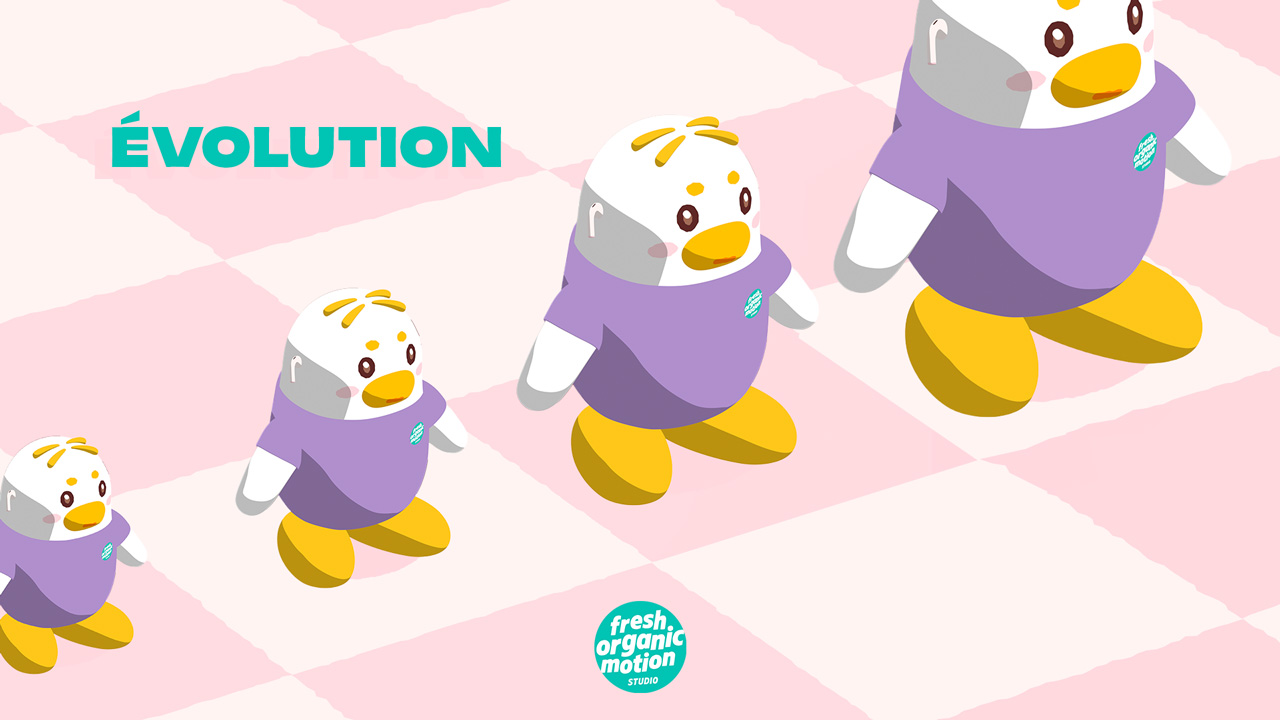
Strategic Evolution
- Brand character rebranding : Identify the circumstances under which the Character can be visually modernized (change in artistic style, "rejuvenation") without altering its essential personality (its Archetype).
- Continuous Storytelling : Develop a narrative arc (a "life story") for the character.
The character must have goals, successes, and flaws that establish a lasting emotional connection with the audience.
What are the specific KPIs for the Brand Persona?
The success of your Brand Character must be measured in concrete terms. It is essential to define Key Performance Indicators (KPIs) that align with your initial objectives. Pay particular attention to KPIs related to brand recall (brand awareness) as well as engagement (interactions, shares). This data will demonstrate the Brand Character’s effectiveness in building relationships and increasing brand recognition.
What should you do if the KPIs are not good?
If the key performance indicators (KPIs) aren't up to par (low engagement, low recall, or negative sentiment), that doesn't mean the problem stems from your character's archetype or design.
The problem often lies in the way he communicates. The message may be poorly targeted, out of step with current events, or the tone may not be appropriate for the platform.
Corrective Action:
- Content Audit : Review your Emotional and Editorial Guidelines to ensure that the defined tone aligns with the actual message.
- Strategic A/B Testing : You need to run A/B test campaigns to pinpoint the problem. Test the same visual with two different color schemes, or the same message with two different character poses. This helps identify the specific element (visual or editorial) that’s causing the performance drop and allows you to quickly adjust your content strategy.
🏁 Final Thoughts: The Longevity of Your Character
Well done!
Thanks to this complete guide, you have everything you need to develop your Brand Character : from the strategic audit to its graphic and legal implementation.
More crucially, you have established your Terms of Use: your best asset.
It ensures that you are surrounded by skilled professionals (artists, community managers, agencies). to develop this Character according to your strategy, with unfailing professional consistency.
You have created a compelling character that addresses a specific need—a true driver of humanization and differentiation.
The work must now continue. : Pay close attention to your ambassador, carefully analyze the insights from each post and campaign. It is through this ongoing analysis that you will ensure the relevance and lasting success of your new major asset.
A word from the studio
We are delighted to have shared our methodology with you.
Please feel free to contact us using the form below so we can work together to bring this project to life and turn this strategic roadmap into a compelling visual reality.
Let's talk about your future Brand Character!